

The Danger of Unwarranted Favor
1 Kings 1:1–53; Mark 1:1–34; Proverbs 1:1–7
No sooner had David assumed the throne of Israel than he began to lose sight of God’s way. As a young “warrior in the wilderness,” he had provided a beacon of hope and an ethical example for God’s people. But King David allowed emotion, rather than spiritual or even rational principles, to drive him. And David’s children made the situation even worse. Although we often look to David as an example to emulate, we can also learn from the mistakes that he made, including the disaster recorded in 1 Kgs 1:5–53.
As king, David was charged with protecting God’s people against all outside enemies. What David didn’t see coming—or so it appears from the text—was the threat from within his own family. When David’s sons began to compete for power, David should have put his love for God’s people and the calling God gave him above his love for his sons. The moment that Adonijah showed signs of laying claim to the throne (1 Kgs 1:5–10), David should have rebuked him—or perhaps even imprisoned or executed him, according to law of the time. Instead, David let it go.
Appointing Solomon as king was a wise political rebuttal, but David still failed to deal with the core problem—Adonijah. David may have been old and sick by this point, but he could have made better provisions for his kingdom, especially with so many loyal military leaders on his side. David’s position as king made his leniency even worse: He should have treated Adonijah like any other traitor.
Why did David ignore Adonijah’s rebellion? Maybe he loved his son. Maybe he was too tired or too frail to take on big problems at the end of his reign. We may never know the reason, but we do know the results. David’s weakness nearly ruined all he had built for God; his mistakes nearly tore the kingdom in two.
Parents often love their children so deeply that they overlook their failings. Righteousness should maintain its proper authority over wishful thinking and ungoverned emotions—in both kingdoms and households.
Who are you unreasonably favoring?
JOHN D. BARRY
Barry, J. D., & Kruyswijk, R. (2012). Connect the Testaments: A One-Year Daily Devotional with Bible Reading Plan. Bellingham, WA: Lexham Press.
Speaking the Truth
Daniel 11:1–12:12; 2 Thessalonians 3:1–18; Job 42:10–17
“And now I will reveal the truth to you” (Dan 11:2). How much better would our world be if more of us were willing to take this kind of stand—to make these kinds of statements?
The truth Daniel refers to are the prophecies foretelling what will happen in the Persian Empire. Great power and wealth are coming, and with them comes the fear of how that power and wealth may be used. If we read between the lines of the prophet’s statements in Dan 11, we can feel the trepidation. He is concerned that wickedness will once again sweep over the land.
Such was the case for Paul: “Pray for us, that the word of the Lord may progress and be honored … and that we may be delivered from evil and wicked people, for not all have the faith” (2 Thess 3:1–2). Paul was aware that unbelievers would seek his life. He wasn’t sure what the future would look like. We can imagine the fear that he must have felt, wondering, “What is next? What is coming? Who is my friend? Who is my enemy?”
If you have ever been in a situation where it seems you have more enemies than friends, you know that speaking the truth becomes increasingly difficult over time. The prophecies in Dan 11 suggest a time like this, and Paul’s words tell us that life for the early Christians was uncertain. Many Christians today lead relatively safe and easy lives. For Christians in some parts of the world, though, Paul’s situation is far too familiar. But no matter our present situation, we must boldly speak the truth.
What is God asking you to say?
JOHN D. BARRY
Barry, J. D., & Kruyswijk, R. (2012). Connect the Testaments: A One-Year Daily Devotional with Bible Reading Plan. Bellingham, WA: Lexham Press.
An Obstructed View
Daniel 9:1–10:21; 2 Thessalonians 2:1–17; Job 42:1–9
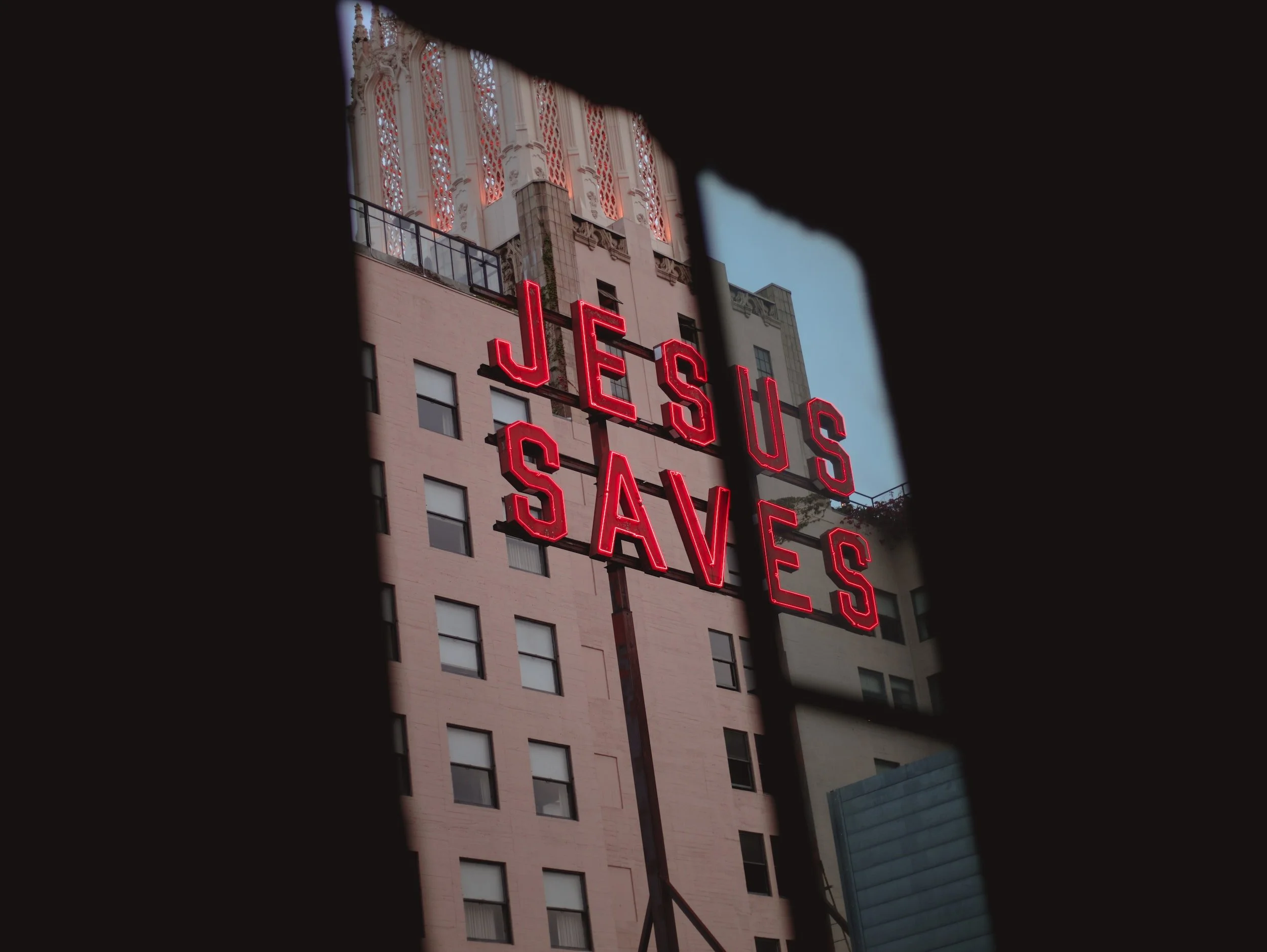
We need to see ourselves as we truly are, but we can’t do that on our own. Our communities can help us glimpse a more accurate reflection, but we truly know ourselves only when we know God. His light brings us understanding.
After suffering incredible loss, Job tries to understand his pain. He speaks some truth, but he often misunderstands God’s motives and minimizes His love. As his friends try to help him grapple with his grief, they sometimes point out truth, but more often they cause even more pain and confusion. It’s only when God arrives to enlighten Job’s understanding that everything changes. First God questions Job’s knowledge (Job 38:19–21), power (Job 38:25–38), and ideas about justice (Job 40:10–12). Then He shows Job that He is all of these things.
The realization exposes Job’s heart. “Then Job answered Yahweh and said, ‘I know that you can do all things, and any scheme from you will not be thwarted. “Who is this darkening counsel without knowledge?” Therefore I uttered, but I did not understand; things too wonderful for me, but I did not know. “Hear and I will speak; I will question you, then inform me.” By the ear’s hearing I heard of you, but now my eye has seen you. Therefore I despise myself and repent in dust and ashes’ ” (Job 42:1–6).
We might struggle to understand our frailty before a God who is all-knowing and all-powerful. We might be blinded by pride and self-righteousness, which can hinder us from seeing our need for God. But it is only then that we discover how we can be redeemed from our needy state.
Although God had never stopped loving Job, He further demonstrated His love by blessing Job once again. We can be convinced of God’s love for us because He sent His only Son to die for our sins. Although He is great and we are small, He was willing to die for our sins. We can be assured of His love for us.
What area of your life is filled with pride? How can you humbly allow God to expose who you truly are?
REBECCA VAN NOORD
Barry, J. D., & Kruyswijk, R. (2012). Connect the Testaments: A One-Year Daily Devotional with Bible Reading Plan. Bellingham, WA: Lexham Press.
Apocalyptic at Its Best
Daniel 7:1–8:27; 2 Thessalonians 1:1–12; Job 41:21–34
Daniel is full of spooky scenes. If Daniel doesn’t scare you a bit, you’ve probably watched too many horror movies.
Apocalyptic literature in the Bible has a way of playing tricks on us. It’s full of vivid imagery that can be haunting—and that’s intentional. The pictures it paints are meant to stay with us. We’re meant to remember what these passages are teaching. Of course, the same can be said of the entire Bible, but apocalyptic literature is especially vivid because its message requires us to choose: to follow or to turn away from God at the most important time—the end.
The dreams Daniel has, including those recorded in Dan 7:3–14, are images of what is and is to come. The beasts in Daniel were evocative symbols for his audience. When they heard of the lion with eagles, they envisioned Babylon (Dan 7:4). When the bear appeared, they thought of Media (Dan 7:5). Likewise, the leopard with four wings and heads symbolized Persia (Dan 7:6). And the ten-horned beast with iron teeth represented Greece (see Dan 7:7; see also Dan 2). These beasts would become memory devices for Daniel’s audience. Later, when Greece entered the scene, the people could say, “I won’t follow the empire, for they are evil. Like a ten-horned beast with iron teeth, the empire will maul us and eat us alive.”
When we misread large sections of the Bible, such as apocalyptic literature, we lose sight of what matters most about it: remembering the truth. Daniel wanted us to call it like it is. If we see evil, we need to remember that it will destroy us. We need to remember the vividness of Daniel’s descriptions. Evil can, and will, capture us if we compromise. But our good God is here as our guide—let’s lean on Him.
Where are you currently compromising?
JOHN D. BARRY
Barry, J. D., & Kruyswijk, R. (2012). Connect the Testaments: A One-Year Daily Devotional with Bible Reading Plan. Bellingham, WA: Lexham Press.
Respect
Daniel 5:1–6:28; 1 Thessalonians 5:12–28; Job 41:10–20
Instead of easing the burdens of our church leaders, we often add to them. The sometimes thankless job of ministry is weighed down with our taking and not giving, our complaining, and our squirming under authority.
We can see from Paul’s letters that church communities haven’t changed much since the first century. In his letter to the believers in Thessalonica, Paul requests: “Now we ask you, brothers, to respect those who labor among you and rule over you in the Lord and admonish you, and to esteem them beyond all measure in love, because of their work. Be at peace among yourselves” (1 Thess 5:12).
A passage like this might convict us for our bad attitude or lack of service. We might make a greater effort to love and respect those who are in positions of authority. Or we might try to ease the load of our leaders by serving in our communities. But unless we address the disorder within our hearts, our efforts won’t lead to the peace that Paul commands.
In Thessalonica, members of the community seem to have had a problem with authority. After Paul urges them to “be at peace” (1 Thess 5:12), he tells them to “admonish the disorderly” (1 Thess 5:14). He demonstrates that the problem is deeper—it rests within the natural chaos of our own hearts. It’s easy to find creative ways to be disorderly and compound this chaos—passive-aggressive behavior, defensiveness, or cynicism. Yet Paul says, “see to it that no one pays back evil for evil” (1 Thess 5:15).
The disorder of our hearts and minds needs to be transformed. Only when we are presented with a true picture of ourselves and a true picture of what God has done for us can we begin to understand the chaos in our hearts. Only when God rules our chaos can we be an agent of peace in our communities.
How can you relieve the burdens of leaders in your community? What needs to change about your attitude toward them?
REBECCA VAN NOORD
Barry, J. D., & Kruyswijk, R. (2012). Connect the Testaments: A One-Year Daily Devotional with Bible Reading Plan. Bellingham, WA: Lexham Press.
Dreams of Redemption
Daniel 4:1–37; 1 Thessalonians 4:13–5:11; Job 41:1–9
I’ve known people who seemed beyond saving—who seemed to have gone too far down the wrong path to ever turn to the right one. But in the Bible we see that this is not the case. God is capable of turning anyone’s heart. One of the most shocking examples is Nebuchadnezzar.
In a decree to all the nations he rules (and perhaps other nations as well), Nebuchadnezzar remarks: “It is pleasing to me to recount the signs and wonders that the Most High God worked for me. How great are his signs and wonders, how strong is his kingdom, an everlasting kingdom; and his sovereignty is from generation to generation” (Dan 4:2–3). He then goes on to recount a dream that Yahweh planted in his mind.
Before Nebuchadnezzar experiences redemption, he tastes humiliation and endures great trials (Dan 4:28–33). But Yahweh does not intend to merely humble the king—He intends to make him a righteous man who can be used for His good purposes. We don’t know whether Nebuchadnezzar ever fully accepts Yahweh as his God and turns from his evil practices, but it does seem that he experiences repentance: “But at the end of that period, I, Nebuchadnezzar, lifted up my eyes to heaven, and then my reason returned to me; and I blessed the Most High and the one who lives forever I praised and I honored” (Dan 4:34). In return, God restores him.
We can never predict how God will use people, and at times we may be shocked by whom He uses. Some people we think are lost may end up being found after all. Let’s dream of redemption for those who need it most.
What people in your life need redemption? For whom are you praying? Have you lost hope about anyone God may still redeem?
JOHN D. BARRY
Barry, J. D., & Kruyswijk, R. (2012). Connect the Testaments: A One-Year Daily Devotional with Bible Reading Plan. Bellingham, WA: Lexham Press.
Red Hopes and Restricted Access
Daniel 2:17–3:30; 1 Thessalonians 3:6–4:12; Job 40:13–24
I often want to keep certain areas of my life roped off. God can reign over some of my relationships, but not to the extent that I need to make gut-wrenching decisions to fall in line with His will. God can move in my Bible study, but I keep the chaos of my work life outside the bounds of His sovereignty. I am in charge, I think, and I allow only restricted access.
We might not readily admit it, but subconsciously we often operate with this mindset. Paul speaks to the Thessalonians about the nature of faith. He spent time with the believers in Thessalonica, instructing them about God and life. He now sends word to encourage them to move along in faith. “We ask you and appeal to you in the Lord Jesus that, just as you have received from us how it is necessary for you to live and to please God, just as indeed you are living, that you progress even more” (1 Thess 4:1). He continues to instruct them in sanctification—the work of becoming holy by serving God, loving God, and loving others.
Even though he is grateful for the Thessalonian believers’ faith, Paul doesn’t want them to remain at a standstill. He doesn’t want his example to be their measuring rod. He turns the believers over to Christ, entreating them to pursue Him.
God doesn’t expect us to meet a faith quota. He wants to claim all areas of our lives fully for Himself. This is not an option; it is “necessary for you to live and to please God” (1 Thess 4:1). Nothing escapes His notice or His attention. But He doesn’t expect us to go about this work on our own—that would only result in disaster. He gives us His Spirit, through whom He continues to form and shape us. Whether it’s our relationships, our work life, or our time spent studying and pondering His Word, God expects our total allegiance.
Do you want to allow God only restricted access to your life? Pray today about an area of your life that needs to be transformed.
REBECCA VAN NOORD
Barry, J. D., & Kruyswijk, R. (2012). Connect the Testaments: A One-Year Daily Devotional with Bible Reading Plan. Bellingham, WA: Lexham Press.
Good Opportunities and Difficult Decisions
Daniel 1:1–2:16; 1 Thessalonians 2:1–3:5; Job 40:3–12
When Daniel is invited to dine at the king’s table—a great honor reserved for the favored (Dan 1:1–4)—he turns down the offer. Instead of eating food and wine fit for a king, Daniel and the other Israelites settle on a diet of vegetables and water (Dan 1:12).
Daniel’s decision seems to contradict human nature. When a good situation comes along (like being invited to eat at the royal table), we often jump at the chance. Yet in doing so, we may fail to consider the ramifications. Daniel knows that eating at the king’s table means compromising Yahweh’s commands against eating certain foods. So when he’s offered a great opportunity, he is bold enough to say no and to offer an alternative (Dan 1:10–14). Daniel knows that God will provide for those who love Him. He also knows that being in God’s will is more important than anything else, even if it means facing opposition.
Paul’s statement in 1 Thess 2:2 demonstrates that he understood this as well: “But after we had already suffered and been mistreated in Philippi … we had the courage in our God to speak to you the gospel of God amid much opposition.” Opposition did not deter Paul from doing what was right in God’s eyes, just as it didn’t prevent Daniel from keeping God’s commands.
When we’re faced with the promises of this world, how do we react? Do we boldly pursue money, fame, or power? Or do we deny these things for the sake of following God’s will? The purpose to which we’ve been called is too important to be set aside for things that will fade over time. We must be willing to face opposition boldly instead of pursuing what the world has to offer. Even when we have to depend on a miracle—as Daniel depended on God to keep him healthy when others were eating better food—we must make God’s will the priority. No matter how difficult it becomes, we have to seek God’s will. When we consider that our relationship with God is eternal, what matters is not the opinion of one king, but the opinion of the King of the universe.
What opportunities do you have that are not God’s will?
JOHN D. BARRY
Barry, J. D., & Kruyswijk, R. (2012). Connect the Testaments: A One-Year Daily Devotional with Bible Reading Plan. Bellingham, WA: Lexham Press.
Constantly in Prayer
Ezekiel 47:1–48:35; 1 Thessalonians 1:1–10; Job 39:24–40:2
Desperate circumstances often dictate our prayers. We pray for others when they’re in need, or we thank God for others when they fill our needs. But how often do we thank God for the faith of those around us?
When Paul writes to the believers in Thessalonica, he opens by saying, “We give thanks to God always concerning all of you, making mention constantly in our prayers” (1 Thess 1:2). Paul and his disciples thank God for their “work of faith and labor of love and steadfastness of hope in our Lord Jesus Christ in the presence of our God and Father” (1 Thess 1:3).
Those who appear to be moving along well by our standards may be struggling in their faith. Other believers, just like us, go through ebbs and flows in their journey. It shouldn’t take a catastrophe for us to recognize their need for prayer.
We can learn something from Paul, a church planter and disciple maker who was no doubt keenly aware of the growth and struggles of the believers he mentored. For those of us who are less observant, these struggles may simmer underneath our radar. We should stop and take notice of the faith journeys of the people around us—people in our churches, our schools, and our workplaces. For whom can you thank God today?
Who needs your observant prayers today?
REBECCA VAN NOORD
Barry, J. D., & Kruyswijk, R. (2012). Connect the Testaments: A One-Year Daily Devotional with Bible Reading Plan. Bellingham, WA: Lexham Press.

The Time, Space, and Money Continuum
Ezekiel 45:1–46:24; Revelation 22:1–21; Job 39:11–23
When we think of setting things apart for God, we usually think of money first. But what about our time or even a place? Ezekiel 45:1 speaks of setting aside land for God: “And when you allocate the land as an inheritance, you shall provide a contribution for Yahweh as a holy portion from the land, its length being twenty-five thousand cubits and its width ten thousand cubits; it is holy in all its territory, all around” (Ezek 45:1).
We’re comfortable with the idea of donating money; we recognize that others need our help and our churches need our support. But there are other reasons for giving. Giving itself is a righteous and perhaps sacred act. It forces us to acknowledge that all we have belongs to God—He is the provider. Giving puts us in right standing before God in a powerful way.
Similarly, allocating time and space to God helps us understand our place before Him. When we designate a particular time for God, or a particular place for meeting Him—such as a prayer room or a particular chair to sit in when we pray—we acknowledge that He deserves a special place in our lives.
Like giving, setting aside these times and places can help us glimpse what our relationship with God is meant to be. It gives us an opportunity to envision a better future fueled by a relationship with God. It gives us the energy (and the reminder) we need to follow God’s will. Giving helps us see how things can and will be (e.g., Rev 22:1–3).
What should you set apart for God?
JOHN D. BARRY
Barry, J. D., & Kruyswijk, R. (2012). Connect the Testaments: A One-Year Daily Devotional with Bible Reading Plan. Bellingham, WA: Lexham Press.
The New Jerusalem
Ezekiel 43:1–44:31; Revelation 21:9–27; Job 39:1–10
We are being made new. God is working in us now, and He will one day complete His work. Scripture speaks of the ultimate hope of this renewal: our reunion with God. For the first-century Jews, the new Jerusalem signified God once again dwelling with His people.
In his revelation, John describes the relationship between God and His people when He completes His work in us: “Behold, the dwelling of God is with humanity, and he will take up residence with them, and they will be his people and God himself will be with them. And he will wipe away every tear from their eyes, and death will not exist any longer, and mourning or wailing or pain will not exist any longer. The former things have passed away” (Rev 21:3–4).
The Lamb of God has achieved this picture of new creation and dwelling in God’s presence. His light is present throughout the imagery: “And the city has no need of the sun or of the moon, that they shine on it, for the glory of God illuminates it, and its lamp is the Lamb” (Rev 21:23). Because of the Lamb’s sacrifice, the former things have passed away.
God will make you completely new—free from sin, suffering, and pain. You are in transformation right now; He is shining His light in your life, exposing the darkness and separating it from the light. And someday you will stand before Him without fear of sin or pain or death or sorrow—a work of new creation. How are you, like the recipients of John’s revelation, living in expectation of being made new?
How is God making you new today? What area of your life needs to reflect His work in you?
REBECCA VAN NOORD
Barry, J. D., & Kruyswijk, R. (2012). Connect the Testaments: A One-Year Daily Devotional with Bible Reading Plan. Bellingham, WA: Lexham Press.
Visions of Grandeur
Ezekiel 41:1–42:20; Revelation 20:7–21:8; Job 38:34–41
In times of struggle, a vision of grander glory is often enough to move us beyond our current circumstances. We find encouragement in glimpsing the vastness and power of God’s plan.
When Ezekiel and God’s people are weary and desperate for hope, God gives His prophet an unusual vision: He shows Ezekiel the temple—not as it is, but as it should be. The temple symbolizes Yahweh’s presence among His people. It points them toward proper worship and life. It reminds them not only of who He is, but who they are meant to be. As we tour the temple with Ezekiel, we see that God intends to restore not only the temple, but also proper worship (Ezek 40:1–42:20).
John the apostle’s vision recorded in Revelation echoes Ezekiel’s: “And I saw a new heaven and a new earth, for the first heaven and the first earth had passed away, and the sea did not exist any longer. And I saw the holy city, new Jerusalem, coming down out of heaven from God, prepared like a bride adorned for her husband” (Rev 21:1–2). This new Jerusalem, this new hope, promises restoration, revitalization, and reconciliation. It’s more than just a structure—it is a way of being.
When Yahweh casts visions of this life restored, He shows His people that He cares deeply about His relationship with them. He will make it right. He will enact His plan through Jesus, the bridge and the reason why God can proclaim, “Behold, I am making all things new!” (Rev 21:5). This is our hope, now and always.
How do Ezekiel’s and John’s visions of the future give you hope? How should your relationship with God change in light of this?
JOHN D. BARRY
Barry, J. D., & Kruyswijk, R. (2012). Connect the Testaments: A One-Year Daily Devotional with Bible Reading Plan. Bellingham, WA: Lexham Press.
It Has Been Granted to You
Ezekiel 39:25–40:49; Revelation 19:11–20:6; Job 38:25–33
“It has been granted to her that she be dressed in bright, clean fine linen” (Rev 19:8), announces a voice from heaven in John’s revelation. The voice describes the bride who waits in anticipation—representing the believers who wait in expectation of being reunited with Christ.
The text contrasts the fine linen of the bride with the purple and scarlet cloth of the harlot, Babylon, who represents all that oppose God’s reign (Rev 18:16). The harlot receives criticism for her infidelity: “Fallen, fallen is Babylon the great.… For all the nations have drunk from the wine of the passion of her sexual immorality, and the kings of the earth have committed sexual immorality with her, and the merchants of the earth have become rich from the power of her sensuality” (Rev 18:2–3).
But the cry goes out in and among Babylon: “Come out from her, my people” (Rev 18:4). The bride, who is preparing herself for the wedding celebration of the Lamb (Rev 19:7), responds to the call to remain pure—to avoid the temptations of the age. She is given the opportunity to dress herself in bright, clean fine linen, representing “the righteous deeds of the saints” (Rev 19:8). These deeds do not earn the bride her righteous standing before the Lamb, but they speak of a life that is transformed.
In Revelation, John uses this imagery to entreat the early believers to live righteously while awaiting the hope promised them. Christ has won the victory for us—the final conquering of sin and evil is imminent. We are empowered to live for Him now, to prepare ourselves for the day when we will have our reward: His presence.
How does your expectation of Christ’s coming help you live for Him now?
REBECCA VAN NOORD
Barry, J. D., & Kruyswijk, R. (2012). Connect the Testaments: A One-Year Daily Devotional with Bible Reading Plan. Bellingham, WA: Lexham Press.
Big Picture Hope
Ezekiel 38:1–39:24; Revelation 19:1–10; Job 38:12–24
Some Bible passages are so perplexing that we’re not really sure what to make of them. Such is the case with Ezek 38:1–39:24. As we closely examine this text, we can easily lose sight of its message. We can find ourselves so lost in the details that the big picture becomes fuzzy. So what is the big picture presented in this passage? God is on the side of His people; He will fight for them.
This message is comforting. We all experience times when we feel like an ancient Israelite, lost and wandering in the desert. We go through times when we’re not sure what’s next or how it will all end up. But when we realize that God is there to war on our behalf—even in the midst of supreme chaos and paradise interrupted (compare Ezek 37)—our viewpoint quickly shifts.
When we feel as though we’re blindly grasping for answers in the smoke that is the future, startling realizations like the type Ezekiel envisions can provide us with the hope we need (compare Heb 11:1). The book of Revelation casts similar visions. After the lament over Babylon and all the “woes,” John the Apostle experiences rejoicing in heaven—salvation has arrived: “After these things I heard something like the loud sound of a great crowd in heaven saying, ‘Hallelujah! Salvation and glory and power belong to our God, because his judgments are true and righteous, because he has passed judgment on the great prostitute who corrupted the earth with her sexual immorality, and has avenged the blood of his slaves shed by her hand!’ ” (Rev 19:1–2).
The big picture of the confusing passages of the Bible is indeed big. God is bringing judgment against the evil in the world and ushering in His great and glorious salvation. He will war on our behalf against all we fear. He has, and will, fight for us. He is a glorious and powerful God, worthy of praise.
What is the big picture of the current situation you’re dealing with? How does it give you hope?
JOHN D. BARRY
Barry, J. D., & Kruyswijk, R. (2012). Connect the Testaments: A One-Year Daily Devotional with Bible Reading Plan. Bellingham, WA: Lexham Press.
A New Way of Being
Ezekiel 36:1–37:28; Revelation 18:1–24; Job 38:1–11
God calls us to live lives that are distinguished by His light, clearly separate from our old way of being. He wants to make us a new creation by separating the light from the darkness within our own hearts.
In Revelation, John describes God calling His people out of Babylon: “And I heard another voice from heaven saying, ‘Come out from her, my people, so that you will not participate in her sins, and so that you will not receive her plagues, because her sins have reached up to heaven, and God has remembered her crimes’ ” (Rev 18:4–5).
Sometimes we can be separated from our former ways of living in the literal sense, but the light has not yet pierced our hearts. We still live in “Babylon” because it exists right where we are. While we have inflated our position, we’ve failed to let God’s light pierce our lives. We’ve failed to live lives that respond to His work.
Becoming separate involves putting off the old ways of thinking, acting, and being. It involves clinging to Christ, who brings light and renewal to our lives. Christ’s sacrifice has reversed death and punishment so that He can bring us new life.
We are called to be separate not for our own sake and our own reputation, but so we can proclaim Christ’s work in our lives. Ultimately, it’s about pointing others toward Him: “For we do not proclaim ourselves, but Christ Jesus as Lord, and ourselves as your slaves for the sake of Jesus. For God who said, ‘Light will shine out of darkness,’ is the one who has shined in our hearts for the enlightenment of the knowledge of the glory of God in the face of Christ” (2 Cor 4:5).
How is your life reflecting the work of Christ?
REBECCA VAN NOORD
Barry, J. D., & Kruyswijk, R. (2012). Connect the Testaments: A One-Year Daily Devotional with Bible Reading Plan. Bellingham, WA: Lexham Press.
Shepherding Is a Tough Business
Ezekiel 34:1–35:15; Revelation 17:1–18; Job 37:16–24
Leadership requires accountability, yet many leaders of the past considered themselves above rebuke. Even when their deeds failed to catch up to them in their own lifetimes, history judged them clearly. History often remembers and records people as they really are. And if history doesn’t recall the truth, God does.
Ezekiel was firm in his rebuke of the leaders of his time—Yahweh commanded him to be: “And the word of Yahweh came to me, saying, ‘Son of man, prophesy against the shepherds of Israel, prophesy, and you must say to them, to the shepherds, “Thus says the Lord Yahweh: ‘Woe to the shepherds of Israel who were feeding themselves! Must not the shepherds feed the flock? The fat you eat, and you clothe yourself with the wool; the well-nourished animals you slaughter, but you do not feed the flock’ ” (Ezek 34:1–3).
During Ezekiel’s lifetime, the leaders of God’s people were not being leaders at all. They were looking out for themselves rather than the good of the people. The same is true of leaders in our own time. If absolute power corrupts absolutely, as John Dalberg-Acton remarked, than surely we are all at risk of losing our way. Rather than responding with dismay, we should determine to take right action and speak the truth.
We must be people who seek God above ourselves. We must be people who put the needs of others before our own. We must want the glory of God among all people, above all things. We are all leading in one way or another, and others are watching us. That gives each of us an opportunity to lead by example. And any leader who is led by something other than God’s will ends up corrupt. Ezekiel’s criticism presents us an opportunity to change—to accept our rebuke and choose to live above reproach. Will we take it?
How should you change your approach to leading others in light of Ezekiel’s rebuke? What needs to change for you to live above reproach?
JOHN D. BARRY
Barry, J. D., & Kruyswijk, R. (2012). Connect the Testaments: A One-Year Daily Devotional with Bible Reading Plan. Bellingham, WA: Lexham Press.
Mercy and Judgement
Ezekiel 32:1–33:33; Revelation 16:1–21; Job 37:9–15
“God is judge,” we like to say—especially when someone is struggling with injustice. When we get to the book of Revelation, though, we might struggle to understand God’s judgment. Yet even as John describes God dispensing judgment, he emphasizes God’s righteousness and loving nature. He tells us we should not forget that God is a righteous judge.
The Bible is unapologetic and straightforward when speaking about God’s judgment. This is especially true in Revelation. Here the judgment God exacts echoes the plagues that He sent on Pharaoh and Egypt in the book of Exodus—blood, darkness, fiery hail, and locusts. Although Pharaoh was given multiple opportunities to obey God’s request, he still chose his own way. By turning the bodies of water into blood, God spoke what Pharaoh should have realized: “By this you will know that I am Yahweh” (Exod 7:17).
Revelation 16 pronounces God righteous not in spite of His judgment, but because of it (Rev 16:5). We might be tempted to question God’s judgment, but Revelation shows us that His judgment displays His righteousness. Revelation also shows God’s love for and protection of the saints—that His judgment is vengeance for their blood (Rev 16:6).
Those who receive judgment in Revelation express fierce opposition to God in their blasphemy. They rebel even to the end: “And people were burned up by the great heat, and they blasphemed the name of God who has the authority over these plagues, and they did not repent to give him glory” (Rev 16:9). When other judgments come, the responses are the same (see also Rev 16:11, 21). Nothing hints at repentance.
God’s judgment is not arbitrary, and His willingness to show mercy is great. Throughout the Bible, we hear about His longsuffering nature and His mercy that extends to a thousand generations. When we speak of His judgment, we should not diminish His mercy. We should speak carefully about God as a righteous judge, but we should balance and outweigh these statements by speaking of His longsuffering nature and incredible love.
How do you carefully weigh words about God’s judgment?
REBECCA VAN NOORD
Barry, J. D., & Kruyswijk, R. (2012). Connect the Testaments: A One-Year Daily Devotional with Bible Reading Plan. Bellingham, WA: Lexham Press.
Picturing God
Ezekiel 30:1–31:18; Revelation 14:14–15:8; Job 37:1–8
If you were to ask five people at random, “How do you picture God?” you would receive five very different answers. A social network prompt to “describe God in one word” confirms this idea: It resulted in more than 50 answers. For John, that one word was logos or “Word.” Ultimately, God is far too complex to fit into human language. His personality is too diverse to capture in a painting. His intricacy of character far surpasses ours.
God is able to feel the full spectrum of emotion and able to articulate who He is using the full spectrum of vocabulary. He is able to encounter us in any way He sees fit. Where we may be able to change only our hair color, glasses, or general way of speaking, He can change anything.
Throughout the books of Ezekiel and Revelation, we see diverse descriptions of God. They are so different that they could, by analogy, range from a mannerist painting of Jesus to a surrealist or modern one. Ezekiel 30:1–8 depicts Yahweh as a warrior, whereas in Rev 14:14–20, we see God using messengers to glean a crop and bring fire. The images vary even more when we peek into the next chapter, where a warring God sends His angels to bring plagues (Rev 15:1–8).
There is not one depiction of God in the Bible, and any attempt to create one is an ill-conceived effort. We know much about Him, but we’re not capable of understanding Him fully. As we attempt to picture God, we should be aware that our words about Him and visions of Him are shortsighted compared to who He actually is. Yet one thing we do know for certain is that He, our indescribable creator, desires to enter into relationship with His creation (e.g., John 15–17).
How do you picture God? How do you describe Him?
JOHN D. BARRY
Barry, J. D., & Kruyswijk, R. (2012). Connect the Testaments: A One-Year Daily Devotional with Bible Reading Plan. Bellingham, WA: Lexham Press.
Persist, Don’t Just Exist
Ezekiel 28:1–29:21; Revelation 13:11–14:13; Job 36:24–33
The phrase “patient endurance” brings to mind the pasted-on smile of a parent regarding a misbehaving child—a parent clinging to the hope that someday this stage will pass. In Revelation the term is used in a much different way.
“Here is the patient endurance of the saints, those who keep the commandments of God and the faith in Jesus” (Rev 14:12). The statement is set in the context of judgment. Here the phrase requires more than simply sitting still and enduring persecution. It’s intended to encourage first-century believers to actively abandon the sins of the day: idolatry, pride, oppression.
Encouraging patient endurance was a call for early Christians to persevere by pursuing righteousness—to follow Christ faithfully even while enduring a period of suffering (Rev 14:12). Patient endurance is active persistence, loyalty, and discernment. We get this sense as John continues: “And I heard a voice from heaven saying, ‘Write: “Blessed are the dead who die in the Lord from now on!” ’ ‘Yes,’ says the Spirit, ‘in order that they may rest from their labors, for their deeds follow after them’ ” (Rev 14:13).
Rest comes later. Right now, when we suffer trials, God asks us to live lives that reflect our loyalty to Him. This loyalty and these deeds are motivated by hope that He provides—especially through the death of Christ.
When you think about patiently enduring trials to your faith, you don’t have to regard yourself as a victim. Persist because of the hope you’ve been given and in which God continues to uphold you. Faith doesn’t sit still.
How are you patiently enduring?
REBECCA VAN NOORD
Barry, J. D., & Kruyswijk, R. (2012). Connect the Testaments: A One-Year Daily Devotional with Bible Reading Plan. Bellingham, WA: Lexham Press.
The Last Person You Would Expect
Ezekiel 26:1–27:36; Revelation 13:1–10; Job 36:13–23
Yahweh is capable of doing anything and everything He pleases. If He were not a good God, this would be deeply frightening, but considering His wonderful character, this is comforting.
In Ezekiel 26:1–6, Yahweh describes the sins of Tyre and His plans against the powerful Phoenician city-state. The people of Tyre are arrogant. They do as they please, usually to the detriment of other people. Yahweh refuses to put up with this any longer. When He finally destroys Tyre, He does it through unexpected means: Nebuchadnezzar, king of the Neo-Babylonian empire from 605–562 BC. Despite Nebuchadnezzar’s cruel and ruthless nature, Yahweh uses him to enact punishment on Tyre (Ezek 26:7).
Stories like this make me wonder how written prophecy would look today. How often would we see God use people without their realizing it? How many evil-hearted people have been used for a larger and better purpose?
We’re never really certain how God is acting. We learn bits of information through prayer and the Bible, but only He knows what outcome He will produce. We know the trajectory—Christ’s full reign on earth and the admonishment of evil (e.g., the destruction of the beast in Rev 13:1–10)—but we don’t know precisely how that will play out.
There is no easy answer to this perplexing question, but what is certain is that Yahweh will ultimately carry out His will in the world. And His will might come in unexpected ways. No one can know the mind of God but God Himself. So when we pray, let’s pray for the miracle, not for the means.
How do you perceive God acting in your life and the lives of others? What miracle should you be praying for?
JOHN D. BARRY
Barry, J. D., & Kruyswijk, R. (2012). Connect the Testaments: A One-Year Daily Devotional with Bible Reading Plan. Bellingham, WA: Lexham Press.