
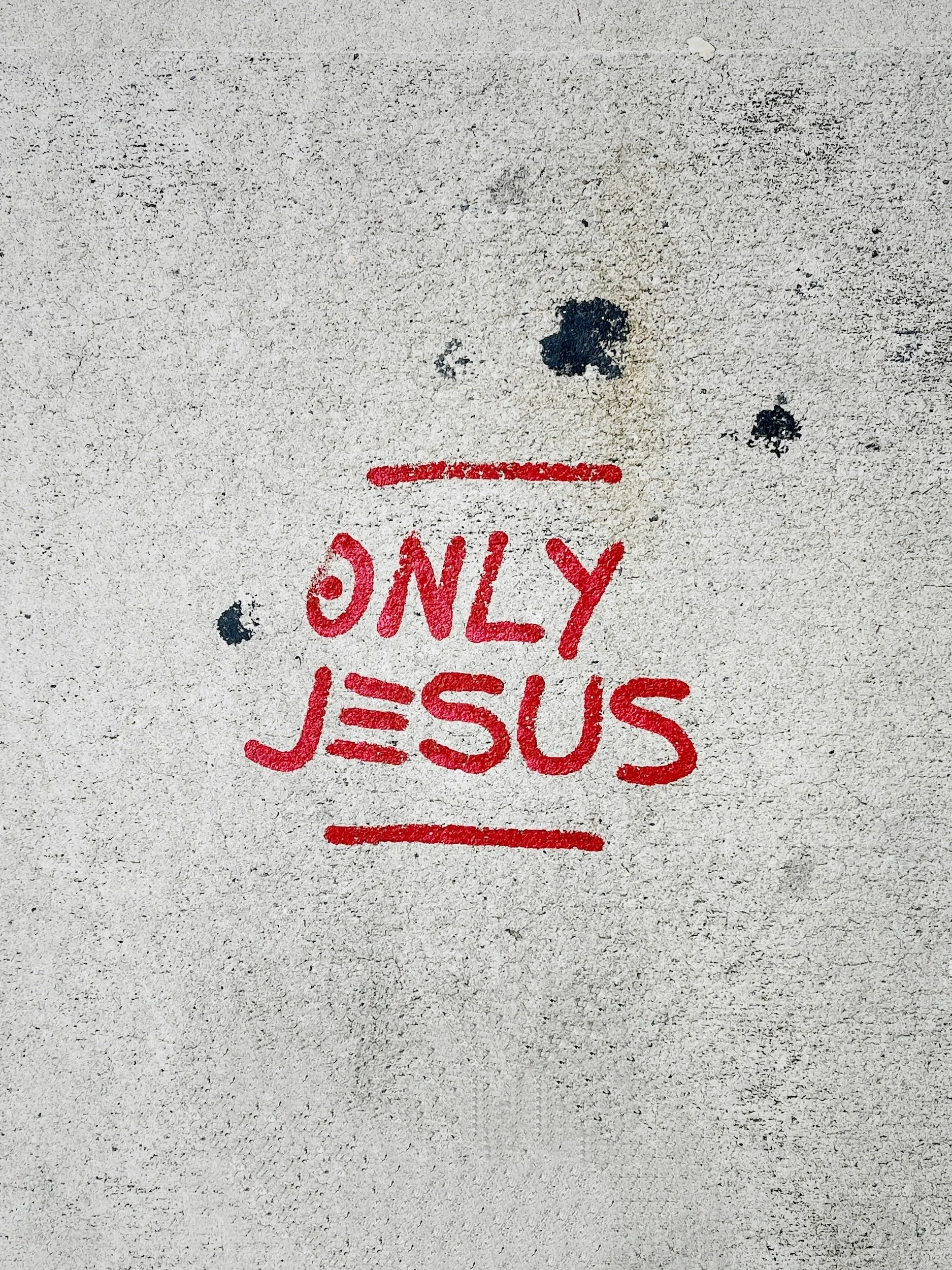
Kingdom Politics
Ezekiel 24:1–25:17; Revelation 11:15–12:17; Job 36:1–12
We sometimes jump on the bandwagon with politics. Yet if we put our full trust in political candidates, or believe their rise to power is an indication of our future—a common campaign platform—we’re putting our hope in something transitory. No earthly person or kingdom has absolute rule. The book of Revelation portrays this in a surprising way.
In the last book of the Bible, God’s judgment is loosed, and it can be overwhelming to read and interpret. Six trumpets, blown consecutively by angels, unleash God’s judgment. When the seventh trumpet blows, we expect judgment to be set in motion yet again. Instead, a loud voice from heaven announces a different, glorious event: “The kingdom of the world has become the kingdom of our Lord and of his Christ, and he will reign forever and ever” (Rev 11:15).
This seems like a strange turn of events, but it’s the culmination of plans and actions that have been happening all along. The initiation of God’s kingdom is prophesied throughout the Bible, and it is presented in John’s vision to bring hope. All of God’s judgments have a purpose. They terminate an old way of life to usher in a new one—a life guided by the eternal reign of God.
In some ways, the arrival of God’s kingdom is a judgment—it’s a judgment on all other kingdoms. John’s vision would have been a comforting reminder to the early church that the kingdoms of this age are transitory. Their flawed, corrupt rule is not forever. And while the kingdoms of the world come and go, God’s kingdom will never end.
We can be hopeful, then, in hopeless situations. We need not feel morose or hopeless when the factions and kingdoms of the world struggle and disappoint. God’s eternal kingdom—His exclusive, righteous rule—is our hope.
How are you living like a member of God’s kingdom, not the kingdom of this world?
REBECCA VAN NOORD
Barry, J. D., & Kruyswijk, R. (2012). Connect the Testaments: A One-Year Daily Devotional with Bible Reading Plan. Bellingham, WA: Lexham Press.
Greener Grasses
Ezekiel 23:1–49; Revelation 11:1–14; Job 35:9–16
When God’s people turn from Him, the biblical story becomes solemn, sad, and explicit.
“Now as for their names, the older was Oholah, and Oholibah was her sister. And they became mine, and they bore sons and daughters, and their names are Samaria for Oholah, and Jerusalem for Oholibah. And Oholah prostituted herself while she was still mine [being Yahweh’s], and she lusted for her lovers, for Assyria who was nearby.… Therefore I gave her into the hand of her lovers, into the hand of the Assyrians after whom she lusted” (Ezek 23:4–5, 9).
There is a firm rebuke in Yahweh’s words spoken through Ezekiel—the sin becomes the punishment. But this sad picture also reveals Yahweh’s perspective and the pain that He feels when we walk away from Him.
Ezekiel’s words should prompt us to ask questions. How often have we been blinded by our lust for “greener grasses”? How often have we sacrificed God’s plan and potential for our lives at the altar of selfish desires? How often has “want” controlled us to the point of betraying the God who created us?
Our remorse should guide us into making better choices. We can walk away from the pursuit of our own desires and walk into the life that Yahweh offers us. The “two witnesses” in Rev 11:1–14 make this very decision. Appalled by the horrifying scene of their generation (e.g., Rev 9:13–21), they find hope and power in seeking Yahweh. Rather than allowing the evil of their generation to control or change them, they seek Yahweh. For doing so, they inherit power to do His work (Rev 11:2–6).
Each sad moment in history—indeed every single moment—is an opportunity to do the will of God. Today we have an opportunity to deny the narrative of our generation (and previous ones) in favor of God.
What selfish desires is God overturning in your life?
JOHN D. BARRY
Barry, J. D., & Kruyswijk, R. (2012). Connect the Testaments: A One-Year Daily Devotional with Bible Reading Plan. Bellingham, WA: Lexham Press.
The Power Behind the Drama
Ezekiel 21:1–22:31; Revelation 10:1–11; Job 35:1–8
The concerns that make up our mini-narratives can sometimes distract us from the great drama in which we have been cast. When a mighty angel appears with a scroll in John’s revelation, the apostle’s part in God’s great redemptive drama suddenly becomes very clear. He swaps his role of scribe for that of actor, speaking God’s very words:
“And I went to the angel and told him to give me the little scroll, and he said to me, ‘Take and eat it up, and it will make your stomach bitter, but in your mouth it will be sweet as honey.’ And I took the little scroll from the hand of the angel and ate it up, and it was sweet as honey in my mouth, and when I had eaten it, my stomach was made bitter. And they said to me, ‘It is necessary for you to prophesy again about many peoples and nations and languages and kings’ ” (Rev 10:9–11).
John’s new task parallels the prophet Ezekiel’s call to speak God’s words. The prophet eats a scroll to internalize and speak the words of Yahweh, which turn sweet in his mouth (Ezek 2:8–36; see Psa 119:103; Jer 15:16). The words of God are also sweet for John, but the bitterness that follows reveals that a two-fold judgment is coming. God’s words are sweet and comforting for the believers, but they also bring judgment. John has seen what lies behind the curtain, and he is charged with making this drama known to all—even to those who stubbornly refuse to acknowledge the Author.
John was charged with bringing the things he had learned to the people and nations of the earth. Today we are all cast in this drama of God’s redemptive work. Our individual narratives should be informed by His greater drama—they should be seamlessly intertwined so that we display His creative and redemptive work. We should, together with John, profess this truth to all those we encounter.
How are you testifying about the God who brings both comfort and judgment?
REBECCA VAN NOORD
Barry, J. D., & Kruyswijk, R. (2012). Connect the Testaments: A One-Year Daily Devotional with Bible Reading Plan. Bellingham, WA: Lexham Press.

Judgement: It’s Tricky
Ezekiel 19:1–20:49; Revelation 9:1–21; Job 34:31–37
Judgment is both a curse and a blessing. If you judge others, you might be judged yourself—especially if you judge them incorrectly. Yet if you know how to judge right from wrong, you can discern truth from fiction.
Although judgment can be a wretched thing, there is a time for it: When God has confirmed something in your heart, and the Bible verifies your view, you must stand up for it. When Jesus tells us not to judge, He is not declaring that we should be passive (see Matt 7:1–6; see also Matt 7:15–23, where He condemns false prophets and false followers). Instead, Jesus is saying that we should be careful about what we say and do, for we could be the one at fault.
Ezekiel also deals with the very fine line of judgment. Yahweh says to him, “Will you judge them? Will you judge them, son of man?” (Ezek 20:4). This question implies the very point Jesus makes: Is Ezekiel capable of dealing out judgment? Certainly not, but with the power of Yahweh, he can speak the truth. Yahweh goes on, “Make known to them the detestable things of their ancestors” (Ezek 20:4). He follows this with a commentary on “the detestable things” accompanied by a comparison to how Yahweh has treated His people despite their disobedience (Ezek 20:5–8).
Judgment is tricky, but fear of “getting it wrong” should not keep us quiet in the midst of misdeeds and misconduct. Instead, we must speak up—let’s just be sure that we first pray and examine our thoughts in light of the Bible.
What have you previously been quiet about that you should speak up against?
JOHN D. BARRY
Barry, J. D., & Kruyswijk, R. (2012). Connect the Testaments: A One-Year Daily Devotional with Bible Reading Plan. Bellingham, WA: Lexham Press.
Absence of Pain, Presence of God
Ezekiel 17:1–18:32; Revelation 7:9–8:13; Job 34:16–30
When life is difficult, we often take refuge in knowing there’s a life to come—one in which we’ll be free from pain and the worries of this world. The thought brings us comfort. During the difficult times, the life to come might even be more appealing than the present.
Revelation shows us a picture of what new life for those redeemed by Christ will look like: “These are the ones who have come out of the great tribulation, and have washed their robes and made them white in the blood of the Lamb. Because of this, they are before the throne of God, and they serve him day and night in his temple, and the one who is seated on the throne will shelter them. They will not be hungry any longer or be thirsty any longer, nor will the sun ever beat down on them, nor any heat” (Rev 7:14–16).
In Revelation the life to come appears as a shelter from all the traumatic and stressful things afflicting the first-century church—hunger, thirst, and heat. Yet we shouldn’t simply define this new life as a time when we’ll be free from the stress and pain of this world.
This new life is defined by God’s presence. The sacrifice of the Lamb has made life with God possible again. If we are clothed in His righteousness, we can stand before the throne of God. Revelation illustrates what our relationship with God is and is destined to be. We will serve Him day and night—as we were created to do—and He will shelter us. The Lamb will shelter and shepherd us, leading us to “springs of living waters” (Rev 7:17).
When we long for relief, we might be yearning for a renewed sense of God’s presence among us. We long for His presence because it is free from difficulty and filled with His incredible love.
What are you truly longing for?
REBECCA VAN NOORD
Barry, J. D., & Kruyswijk, R. (2012). Connect the Testaments: A One-Year Daily Devotional with Bible Reading Plan. Bellingham, WA: Lexham Press.
Courage and the Truth
Ezekiel 16:1–63; Revelation 6:1–7:8; Job 34:1–15
Few people are brave enough to speak the truth when it could cost them their reputation. Even fewer have the courage to speak the truth when it could cost them everything. The prophets, however, set a different example.
“And the word of Yahweh came to me, saying, ‘Son of man, make known to Jerusalem its detestable things’ ” (Ezek 16:1–2). Yahweh commands Ezekiel to confront His people about their evil behavior and demand they repent. Most people aren’t happy to be criticized; many respond with open hostility. Charged with speaking on God’s behalf, the prophet must be courageous in the face of anger.
Ezekiel declares, “Thus says the Lord Yahweh to Jerusalem: Your origin and your birth were from the land of the Canaanites, your father was an Amorite, and your mother was a Hittite. And as for your birth, on the day you were born your umbilical cord was not cut, and you were not thoroughly washed clean with water, and you were not thoroughly rubbed with salt, and you were not carefully wrapped in strips of cloth. No eye took pity on you to do to you one of these things to show compassion for you, and you were thrown into the open field in their despising of you on the day you were born” (Ezek 16:3–5).
Yahweh acknowledges the painful times His people have endured, but His description hints of disdain. The Israelites should have acted on their own to break from the Canaanites, the Amorites, and the Hittites—as they were commanded in an earlier era (e.g., Deut 1; Josh 1; compare Josh 10; Josh 24; Judg 1–2; Num 34–36). The people from these nations were leading the Israelites to follow other gods and to commit evil acts. But the children of Israel allowed the others to live among them. Instead of strengthening their borders and adhering to their worship of Yahweh, they allowed the outsiders to compromise their borders, and they adopted the religious practices of other nations time and time again (e.g., 1 Sam 10–11; 1 Kgs 13).
The same could be said of many Christians today. God commands us to walk away from temptation, yet we wander back, looking for gaps in the border between right and wrong. Such situations are even sadder when other believers excuse the sin, leading many to live lives of perpetual disobedience. God not only wants us to separate ourselves from sin, He wants us to be victorious over it. He calls us to speak against the evil of our generation rather than excuse it. Through the power of God’s Spirit in us, we can fight sin inwardly, openly and courageously—despite what it may cost us.
What perpetual sin is God asking you to break from? What should you have courage to speak up against?
JOHN D. BARRY
Barry, J. D., & Kruyswijk, R. (2012). Connect the Testaments: A One-Year Daily Devotional with Bible Reading Plan. Bellingham, WA: Lexham Press.
We Want Out
Ezekiel 14:1–15:8; Revelation 5:1–14; Job 33:29–33
We’ve all had those moments when we just want out, when the chaos of life seems overwhelming. We want an end to the struggle with sin. We want relief from the things that are part of living in a broken world. We know Christ reigns, but we want what is “after these things” (Rev 4:1) right now.
Living in the midst of persecution, the early believers must have experienced these emotions daily. In his revelation, John himself expresses the need for hope in chaos. When he sees a scroll in the hand of “the one who is seated on the throne” (Rev 5:1)—the Father—the apostle weeps because no one has been found worthy to open it. The scroll contains the things that will happen—the judgments that will remove evil and sin and set things right. Without someone worthy enough to open the scrolls, the chaos in the world will continue forever.
But then the Lamb appears. In John’s revelation the 24 elders worship the Lamb for His work of redemption: “And they were singing a new song, saying, ‘You are worthy to take the scroll and to open its seals, because you were slaughtered, and bought people for God by your blood from every tribe and language and people and nation, and made them a kingdom and priests to our God’ ” (Rev 5:9–10).
It is Christ’s work that gives Him the authority to open the seals. As the Lamb who was slaughtered, He reversed death and the fate of those who believe in Him. He is responsible for setting all things right.
This knowledge is incredibly comforting for us. God is the great chaos-fighter. Jesus has drawn us out of our own chaos with His sacrifice. He will help us live in the now—in a world that is often chaotic but will, in time, be set right. In the meantime, we can respond to His work of ordering our lives and the lives of those around us. And when we feel helpless and out of control, we can rely on the great chaos-fighter.
Are you frustrated with your life circumstances? How can you approach difficult areas of your life knowing God will set all things right? How can you rest knowing Christ is at work, right now, in your life?
REBECCA VAN NOORD
Barry, J. D., & Kruyswijk, R. (2012). Connect the Testaments: A One-Year Daily Devotional with Bible Reading Plan. Bellingham, WA: Lexham Press.
Words and Actions
Ezekiel 12:1–13:23; Revelation 3:14–4:11; Job 33:19–28
Leading by example is a simple principle to understand, but it’s a very difficult one to live. The prophets were often called to lead by example, though doing so usually meant enduring suffering for others.
“And the word of Yahweh came to me [Ezekiel], saying, ‘Son of man, you are dwelling in the midst of the house of rebellion who has eyes to see and they do not see; they have ears to hear, and they do not hear, for they are a house of rebellion. And you, son of man, prepare for yourself the baggage of an exile, and go into exile by day before their eyes. And you must go into exile from your place to another place before their eyes; perhaps they will see that they are a house of rebellion’ ” (Ezek 12:1–3).
By witnessing God’s servant suffering, the people would be reminded of their rebellion and understand the gravity of God’s displeasure. In this situation, God prescribes exile as their punishment for rebelling against His requirements and forfeiting His calling for their lives. God’s prophet, Ezekiel, “pronounces” God’s punishment through actions. In doing so, he becomes a type of sufferer for the people. He does not deserve their punishment, and he does not pay it for them, but he demonstrates the price of sin as he leads by example.
There is a time for words and a time for action. We all would do well to heed the words before the actions become necessary. We must also understand that, in our desire to emulate Christ, there are times we must go beyond warnings or advice and commit to bearing the burden for others—even suffering undeservedly on their behalf. We must show others what it means to follow Christ by acting as Christ would—giving unmerited grace even when it is costly.
What actions must you take today? In what areas must you move words to deeds? Who can you sacrifice for today?
JOHN D. BARRY
Barry, J. D., & Kruyswijk, R. (2012). Connect the Testaments: A One-Year Daily Devotional with Bible Reading Plan. Bellingham, WA: Lexham Press.
Defibrillators for Sardis
Ezekiel 9:1–11:25; Revelation 3:1–13; Job 33:8–18
We cover up the dead places in ourselves with all sorts of regalia. We fill the emptiness with fine clothing, once-in-a-lifetime experiences, or relationships in which the other is set up as god. Underneath the trappings, though, we’re decaying.
Of all the churches addressed in Revelation, the church in Sardis receives the most intense critique. Sardis was a wealthy city and a military stronghold. And the church, like the city, seemed to be alive and well. But Christ, speaking truth through John’s revelation, uncovers and names the decaying parts: “I know your works, that you have a name that you are alive, and you are dead. Be on the alert and strengthen the remaining things that are about to die, for I have not found your works completed before my God” (Rev 3:1–2).
The community in Sardis needed more than a stern scolding. They needed immediate resuscitation. They had so compromised their faith that many among them were spiritually dead. Those parts not already dead were dying. And the façade only perpetuated continued decay.
What was the answer? Was there hope for Sardis? Is there hope for us?
Sardis could be brought back from the edge of death, but only through repentance: “Therefore remember how you have received and heard, and observe it, and repent” (Rev 3:3). Urgency is paramount: “Be on the alert,” Christ tells them. “I will come like a thief.”
We have received the same instructions. Like Sardis, we might—if we try hard enough—meet others’ expectations. But we shouldn’t lie to ourselves. God sees our outward works, but He also knows our hidden hearts. Name your need, repent, and find hope in Christ, the only one who can fill the emptiness.
In what areas of your life do you feel empty? How can you name your sin?
REBECCA VAN NOORD
Barry, J. D., & Kruyswijk, R. (2012). Connect the Testaments: A One-Year Daily Devotional with Bible Reading Plan. Bellingham, WA: Lexham Press.
It Will Eat You Alive
Ezekiel 6:1–8:18; Revelation 2:12–29; Job 33:1–7
Idolatry eats at our souls. And God puts up with it for only so long.
“And the word of Yahweh came to me, saying, ‘Son of man, set your face to the mountains of Israel and prophesy against them, and you must say, “Mountains of Israel, hear the word of the Lord Yahweh, thus says the Lord Yahweh to the mountains and to the hills, to the ravines and to the valleys: ‘Look, I am bringing upon you the sword, and I will destroy your high places, and your altars will be desolate, and your incense altars will be broken, and I will throw down your slain ones before your idols, and I will place the corpses of the children of Israel before their idols, and I will scatter your bones around your altars’ ” (Ezek 6:1–6).
Ezekiel portrays God’s view of the true nature of idolatry and the ramifications of living an idolatrous life. When people put wood and stone, or gadgets and entertainment, before their relationship with Yahweh, they are giving up the most valuable part of themselves.
Today, most people place entertainment above God. We value celebrity more than Jesus. We may deny this, but if we closely examine how we spend our time and money, we find that we love our idols as much as the ancients did.
How can we as Christians be instruments for the changes God wants to bring to the world if we conform ourselves to the expectations of our culture? Where we invest our time, assets, and attention reveals what we care about most. If we give ourselves over to worldly priorities instead of God’s, we deserve the same fate that Yahweh prophesied for the children of Israel in Ezek 6:1–6.
But our good and gracious God wants to redeem us, and we should commit ourselves to seeking His blessing instead of His judgment (John 3:16–17; Rom 8). If we follow Him with our entire being—setting aside all that stands between us and Him—the world will look different. Idolatry will be revealed for what it is: a thief and a glutton, stealing the very lives God has in store for us. If we seek God with all our being, idolatry will hold no power over us. It will die from neglect while our lives take on new vitality as we boldly proclaim the glory of our life-giving God.
What idols stand between you and the life God has for you?
JOHN D. BARRY
Barry, J. D., & Kruyswijk, R. (2012). Connect the Testaments: A One-Year Daily Devotional with Bible Reading Plan. Bellingham, WA: Lexham Press.

When Love is Lost, Labor Is in Vain
Ezekiel 3:16–5:17; Revelation 2:1–11; Job 32:11–22
When zeal lacks love, faith is rendered useless. Love is the crux of faith. We can study the Bible like a scholar, pray like a warrior, evangelize like the world is ending tomorrow, but we still might miss the mark of faith. God desires our love.
The church in Ephesus, one of the most influential communities in the first century AD, patiently endured persecution and held on to their faith. But Ephesus is the first church that Jesus holds accountable in His revelation to John—and not for their lack of zeal:
“And you have patient endurance, and have endured many things because of my name, and have not become weary. But I have this against you: that you have left your first love. Remember therefore from where you have fallen, and repent and do the works you did at first. But if you do not, I am coming to you, and I will remove your lampstand from its place, unless you repent” (Rev 2:3–5).
Although the Ephesian church had remained outwardly faithful in formidable circumstances, Jesus still threatened to remove His favor. The community was doing everything right—maintaining orthodox standards, testing apostles, refusing to tolerate evil—but they no longer delighted in the grace that they first knew. They weren’t motivated by the same love.
We hear the same reprimand when Paul writes to the church in Corinth: Even if we “speak with the tongues of men and angels” or “have the gift of prophecy” or have faith that “can remove mountains,” we are nothing without love (1 Cor 13:1–2). Paul continues with the poetry that speaks a hard but necessary truth: Even if we “parcel out all [our] possessions” and “hand over [our bodies] in order that [we] will be burned”—all without love—it doesn’t benefit us or earn us favor with God (1 Cor 13:3–4).
These passages should shake us. If we are relying on our correct doctrines for approval, we need to take our cue from Jesus’ words to the church in Ephesus. If we think our evangelizing efforts, our church involvement, or our Bible reading merit God’s favor, we are mistaken. Even our suffering profits us nothing without love.
The grace God has shown us should break our hearts, drive us to Him, deepen our love—and motivate all of our labors. We must continually return to that grace. It’s His love that initially motivated our love. And it’s His love that sustains it.
Have your labors lost their love? How can you dwell in His grace and love so that all your actions are infused with meaning?
REBECCA VAN NOORD
Barry, J. D., & Kruyswijk, R. (2012). Connect the Testaments: A One-Year Daily Devotional with Bible Reading Plan. Bellingham, WA: Lexham Press.
The Real Reality
Ezekiel 1:1–3:15; Revelation 1:1–20; Job 32:1–10
John and Ezekiel open their prophetic books in a similar fashion—to prepare us for an unexpected view:
“The revelation of Jesus Christ, which God gave him to show to his slaves the things which must take place in a short time, and communicated it by sending it through his angel to his slave John, who testified about the word of God and the testimony of Jesus Christ, all that he saw. Blessed is the one who reads aloud and blessed are those who hear the words of the prophecy and observe the things written in it, because the time is near!” (Rev 1:1–3).
“And it was in the thirtieth year, in the fourth month, on the fifth day of the month, and I was in the midst of the exiles by the Kebar River. The heavens were opened, and I saw visions of God. On the fifth day of the month—it was the fifth year of the exile of the king Jehoiachin—the word of Yahweh came clearly to Ezekiel the son of Buzi, the priest, in the land of the Chaldeans at the Kebar River, and the hand of Yahweh was on him there” (Ezek 1:1–3).
Both authors open with heavenly visions—God testifying to His people. Both place their prophecies in a particular setting, and both articulate their ideas during tragic, despairing times. We meet John on the island of Patmos, and we meet Ezekiel on a riverbank. But more important than where the visions start is where they take us: to a scenic overlook of reality, not as it appears, but as it is. God is about to reveal what’s really going on.
Prophets speak truth about what others cannot see and urge them to heed that truth. John and Ezekiel call us to something greater, something unknown. They urge us to act as if time were running out—because it is. It’s only a matter of time until Jesus comes again.
The visions of both these prophets declare that God wants to use us here and now for a grand purpose—one that we may not yet comprehend but that we must nonetheless embrace. Their message is clear: Our call may be difficult, but real reality demonstrates God working through the pain. He is bringing goodness into the world and into our lives. All we have to do is respond.
What reality is God revealing to you today?
JOHN D. BARRY
Barry, J. D., & Kruyswijk, R. (2012). Connect the Testaments: A One-Year Daily Devotional with Bible Reading Plan. Bellingham, WA: Lexham Press.
Key Players and Main Narratives
Malachi 2:10–4:6; Acts 28:1–31; Job 31:23–40
The book of Acts ends on a somewhat unsatisfying note. After all that Paul has been through—imprisonment, trial, shipwreck—we expect a showdown with Caesar or mass conversions of the Jews. Instead, the plot seems to sputter out.
Paul arrives in Rome and appeals to the Jews living there. He quotes Isaiah to the Jewish leaders: “You will keep on hearing, and will never understand, and you will keep on seeing and will never perceive” (Acts 28:26). When they fail to respond, Paul determines to reach out to the Gentiles. “They also will listen” (Acts 28:28) and will respond differently.
The poignant end of this book leaves Paul “proclaiming the kingdom of God and teaching the things concerning the Lord Jesus Christ with all boldness, without hindrance” (Acts 28:31). Facing either rejection or reception, he continues proclaiming the good news to both Jew and Gentile.
Paul is a key player in the Church that is being gathered by Jesus Christ, but the drama cannot end with Paul. Jesus is the main character in the story of humanity’s redemption. The book of Acts leaves the ending open so that we can pick it up and carry it forward. The work of Jesus, through His Church, continues to the present day, and Jesus is using both you and me in His grand narrative.
How do you see your life as a story that honors God as the key player?
REBECCA VAN NOORD
Barry, J. D., & Kruyswijk, R. (2012). Connect the Testaments: A One-Year Daily Devotional with Bible Reading Plan. Bellingham, WA: Lexham Press.
Rebuilding Is Not Always Wise
Malachi 1:1–2:9; Acts 27:1–44; Job 31:9–22
Who can rebuild what Yahweh tears down? The prophets articulate this message again and again. Yahweh tears down evil things; evil people rebuild them; the prophets insist that He will just tear them down again. God tolerates evil for a time, waiting for people to repent, but when His patience is up, it’s up.
“ ‘I have loved you,’ says Yahweh, but you say, ‘How have you loved us?’ ‘Is Esau not Jacob’s brother?’ declares Yahweh. ‘I have loved Jacob, but Esau I have hated. I have made his mountain ranges a desolation, and given his inheritance to the jackals of the desert.’ If Edom says, ‘We are shattered, but we will return and rebuild the ruins,’ Yahweh of hosts says this: ‘They may build, but I will tear down; and they will be called a territory of wickedness, and the people with whom Yahweh is angry forever.’ Your eyes will see this, and you will say, ‘Yahweh is great beyond the borders of Israel’ ” (Mal 1:2–5).
This scene seems brutal upon first reading. If you’re on Jacob’s side, you’re fine—Yahweh loves you even though you don’t acknowledge it. But if you’re on Esau’s (Edom’s) side, you’re left wondering why God hates you so much—unless you know the backstory: Edom ravaged the lands of God’s people and committed atrocities against them in their greatest time of need. When foreign nations invaded Israel, Edom preyed on its brothers instead of coming to their defense. This is the reason for Yahweh’s anger—and why He will tear down whatever Edom builds.
How often do we try to excuse ourselves as Edom did—to defend our behavior as justifiable retribution for previous offenses? What does God think about the state of our hearts and the actions we take against others as a result?
How must your plan of action change, today, in light of God’s will and His standard?
JOHN D. BARRY
Barry, J. D., & Kruyswijk, R. (2012). Connect the Testaments: A One-Year Daily Devotional with Bible Reading Plan. Bellingham, WA: Lexham Press.
Turning the Tables
Zechariah 12:1–14:21; Acts 26:1–32; Job 31:1–8
When Paul presents the gospel before King Agrippa, we expect him to be defensive. But Paul is ready to shift the spotlight. He offers a surprisingly simple explanation of recent events and a testimony of his faith, and then he describes how the resurrection of Jesus changes everything. He deftly turns the tables and gives the king the opportunity to believe.
Paul describes the gospel as something that was intended all along—it is nothing new: “Therefore I have experienced help from God until this day, and I stand here testifying to both small and great saying nothing except what both the prophets and Moses have said were going to happen, that the Christ was to suffer and that as the first of the resurrection from the dead, he was going to proclaim light both to the people and to the Gentiles” (Acts 26:23).
Paul respectfully tells Agrippa that his testimony should come as no great surprise. Agrippa knows of the Jewish faith, and he has heard about recent events. Now Paul challenges him by presenting him with the only possible explanation—Jesus, the first of the resurrection of the dead, for whose sake Paul is now imprisoned. This faith is consistent with the Jewish belief in God. Now it is not reserved for the Jews, but also available to the Gentiles.
Paul’s words put everyone else in the spotlight. He earns responses from the Roman leaders—a rebuke from Festus (Acts 26:24) and a question from Agrippa: “In a short time are you persuading me to become a Christian?” Paul responds with faith: “I pray to God, whether in a short time or in a long time, not only you but also all those who are listening to me today may become such people as I also am, except for these bonds!” (Acts 26:29).
His constant witness and his trust in God’s power to turn people’s hearts to Himself give Paul confidence and assurance that his words will bring about a response (Acts 26:18). If a man facing trial can present the gospel so respectfully, when he is most defensive and vulnerable, why can’t we? We should have such courage.
How are you looking for opportunities to witness to others about the hope that is in you?
REBECCA VAN NOORD
Barry, J. D., & Kruyswijk, R. (2012). Connect the Testaments: A One-Year Daily Devotional with Bible Reading Plan. Bellingham, WA: Lexham Press.
The True Source of Leadership
Zechariah 10:1–11:17; Acts 25:1–27; Job 30:16–31
When leaders latch onto power, considering it their right, it’s destructive. God holds leaders to a higher standard because their words and actions cause others to rise or fall. When leaders of corporations, churches, or other organizations take their authority for granted, entire communities may end up fighting against God rather than with Him. Such was the case for the Israelites in Zechariah’s lifetime.
The context suggests the people were mistakenly relying on Baal (the storm god) rather than Yahweh. Yahweh responded by reminding them and their leaders that He is the one who sends rain: “Ask rain from Yahweh in the season of the spring rain—Yahweh, who makes storm clouds, and he gives showers of rain to them, to everyone the vegetation in the field. Because the household gods speak deceit, and those who practice divination see a lie, and the dreamers of vanity speak in vain. Therefore the people wander like sheep; they are afflicted because there is no shepherd” (Zech 10:1–2). Based on what happened next, it appears that the leaders were the ones suggesting that Israel should rely on household gods.
Although Yahweh was upset with His people, He directed the main force of His anger against those in charge: “My anger burns against the shepherds, and I will punish the leaders, because Yahweh of hosts watches over his flock, the house of Judah; and he will make them like his majestic horse in war. From them the cornerstone will go out, from them the tent peg, from them the battle bow, from them every ruler, all together” (Zech 10:3–4). Israel’s leaders had to change their ways first—the horrific behavior (the battle bow) came from them.
How many professing Christian leaders lean on themselves—their unearned “battle bows”—instead of being the kind of leaders Yahweh has called them to be? Even Christian leaders tend to locate the source of their power in themselves or in this world rather than Yahweh. These misguided shepherds may achieve a temporary victory, but their work will eventually bring suffering to themselves and those in their care.
How should you lead? What aspects of your leadership should you change?
JOHN D. BARRY
Barry, J. D., & Kruyswijk, R. (2012). Connect the Testaments: A One-Year Daily Devotional with Bible Reading Plan. Bellingham, WA: Lexham Press.
Unexpected Opportunities
Zechariah 8:1–9:17; Acts 23:23–24:27; Job 30:1–15
When we are busy doing the work of the kingdom, how do we respond to obstacles that get in our way? Do we expect God to blast a path straight through so that we can proceed? We might read the drama of Paul’s life through this lens, waiting anxiously for God to open the way for Paul to continue his spectacularly successful work. Instead, God allows Paul to be imprisoned and put on trial.
But as Paul defended himself before Roman officials, he recognized that God was using him in ways he hadn’t expected. The conflict and rejection Paul encountered from the Jews provided him with the opportunity to share the gospel with some of the most influential Gentiles he would ever encounter.
God used Paul’s trials to expand his ministry from the Jews to the Gentiles. Through Paul’s life, God displayed His power to bring about the growth of the Church and the spread of the gospel message far beyond Israel.
God is working in and among us to bring the good news to those whom we don’t have in our field of vision. We should reconsider our attitude toward the conflicts and disappointments in our lives, instead seeking God’s providential hand in them.
How can you pray for wisdom to see God at work in all the circumstances of your life?
REBECCA VAN NOORD
Barry, J. D., & Kruyswijk, R. (2012). Connect the Testaments: A One-Year Daily Devotional with Bible Reading Plan. Bellingham, WA: Lexham Press.

Vision, Revelations, and Questions
Zechariah 6:1–7:14; Acts 22:22–23:22; Job 29:13–25
The prophets of old had visions and dreamed dreams. They experienced apocalyptic nightmares and witnessed breathtaking scenes of beauty. Perhaps most fascinating, though, is how they reacted. Zechariah provides us with an example of both the revelation and the proper response.
“I looked up again, and I saw, and look!—four chariots coming out from between two mountains, and the mountains were mountains of bronze.… And I answered and said to the angel that was talking to me, ‘What are these, my lord?’ And the angel answered and said to me, ‘These are the four winds of the heavens going out after presenting themselves before the Lord of all the earth’ ” (Zech 6:1–5).
Zechariah could not have understood what he was seeing, but he paid attention, and he asked questions. Although we may not experience visions as confounding as Zechariah’s, we certainly have the opportunity to be perplexed by God. Our response should be modeled after Zechariah’s: Ask questions and then act. Zechariah’s life was marked by asking and responding, and it made a difference for his generation. People came to God because Zechariah was willing to be God’s instrument.
How many people experience incredible revelations from God and then fail to respond? How many people come near enough to glimpse God’s plan but never pay close enough attention to receive it from Him? How much are we losing as individuals, and as people, because we don’t care enough to ask God for the answers?
What confusion or uncertainty can you overcome by asking questions?
JOHN D. BARRY
Barry, J. D., & Kruyswijk, R. (2012). Connect the Testaments: A One-Year Daily Devotional with Bible Reading Plan. Bellingham, WA: Lexham Press.
Speaking the Truth with Love
Zechariah 3:1–5:11; Acts 21:27–22:21; Job 29:1–12
Read today’s headlines and you might conclude that Christian boldness is a thin disguise for defensiveness, anger, and demeaning behavior. Believers who feel voiceless in their society sometimes respond by becoming adamant “defenders of the faith” in ways that can be destructive. In an age of instant electronic communication, our potential for good or harm has increased exponentially. But if we lay claim to special rights as Christians, we have forgotten that we’re supposed to be like Jesus.
We need wisdom and spiritual maturity to share our faith with love. Paul serves as a model for using influence in a Christ-like way. In Acts 21–22, Paul encountered an angry Jewish mob that wanted him dead. He could have responded to the crowd self-righteously, looking down on them from his enlightened position. Instead, Paul confessed that he was once a persecutor of “this Way” (Acts 22:4). He could have used his status as a Roman citizen to his own advantage. Instead, he testified about the “Righteous One” to people who vehemently opposed him.
Paul came from a place of humility. He appealed to the Jews by telling them his own story—simply, boldly, and honestly. He emphasized his transformation: He was once a persecutor of the Church, but now he shared the work of Jesus in his life.
We should be ready to do likewise, to spread the gospel by speaking the truth in love, without insisting on our rights or using our influence in self-serving ways. We should be like Paul, but mostly we should be like Jesus. We should be ready to preach wherever and whenever we can and trust that God will work out the rest.
How are you sharing the gospel with both truth and love?
REBECCA VAN NOORD
Barry, J. D., & Kruyswijk, R. (2012). Connect the Testaments: A One-Year Daily Devotional with Bible Reading Plan. Bellingham, WA: Lexham Press.
Beyond Measure
Zechariah 1:1–2:13; Acts 21:1–26; Job 28:12–28
When we say, “God is gracious; God is kind,” do we fully comprehend the extent of God’s graciousness and kindness toward us? We glimpse it in Zechariah: “You must say to them: ‘Thus says Yahweh of hosts: “Return to me,” declares Yahweh of hosts, “and I will return to you,” ’ says Yahweh of hosts” (Zech 1:2–3).
An astounding reversal is hidden in these words, couched in a dialogue expressing how terribly God’s people have treated Him (Zech 1:4–6). By relying on their ancestors’ wisdom, God’s people are marching toward their own destruction: “Your ancestors, where are they? And the prophets, do they live forever?” (Zech 1:5). Instead of wiping them from the face of earth or banishing them from relationship with Him, however, God acts graciously: “Return to me … and I will return to you” (Zech 1:3). It’s an incredibly generous offer, one that the people accept (Zech 1:6).
But this is not the end of the journey. Zechariah’s vision goes on to illustrate painful times on the horizon before moving once again to hope (Zech 2:1–13). Ultimately, Yahweh remarks: “Many nations will join themselves to Yahweh on that day, and they will be my people, and I will dwell in your midst. And you will know that Yahweh of hosts has sent me to you. And Yahweh will inherit Judah as his portion in the holy land, and he will again choose Jerusalem” (Zech 2:11–12).
The one “that Yahweh of hosts has sent” is likely a reference to the Messiah. Here Yahweh moves from welcoming only the people of Israel to welcoming all people into His kingdom. Anyone can return to Him or come to Him—because that is what He desires. His graciousness and kindness are truly beyond measure.
What graciousness and kindness are you grateful for today?
JOHN D. BARRY
Barry, J. D., & Kruyswijk, R. (2012). Connect the Testaments: A One-Year Daily Devotional with Bible Reading Plan. Bellingham, WA: Lexham Press.